

Peptide technology continues to evolve as labs and study institutions investigate compounds with regenerative potential and biochemical stability. Among these peptides , Buy Peptides UK has attracted rising attention for its architectural attributes and growing study applications. With increasing need across lab surroundings, the 10 mg structure has become specially common due to its comfort, security, and suitability for managed experimental protocols.
What Is BPC-157 and Why Is It Trending?
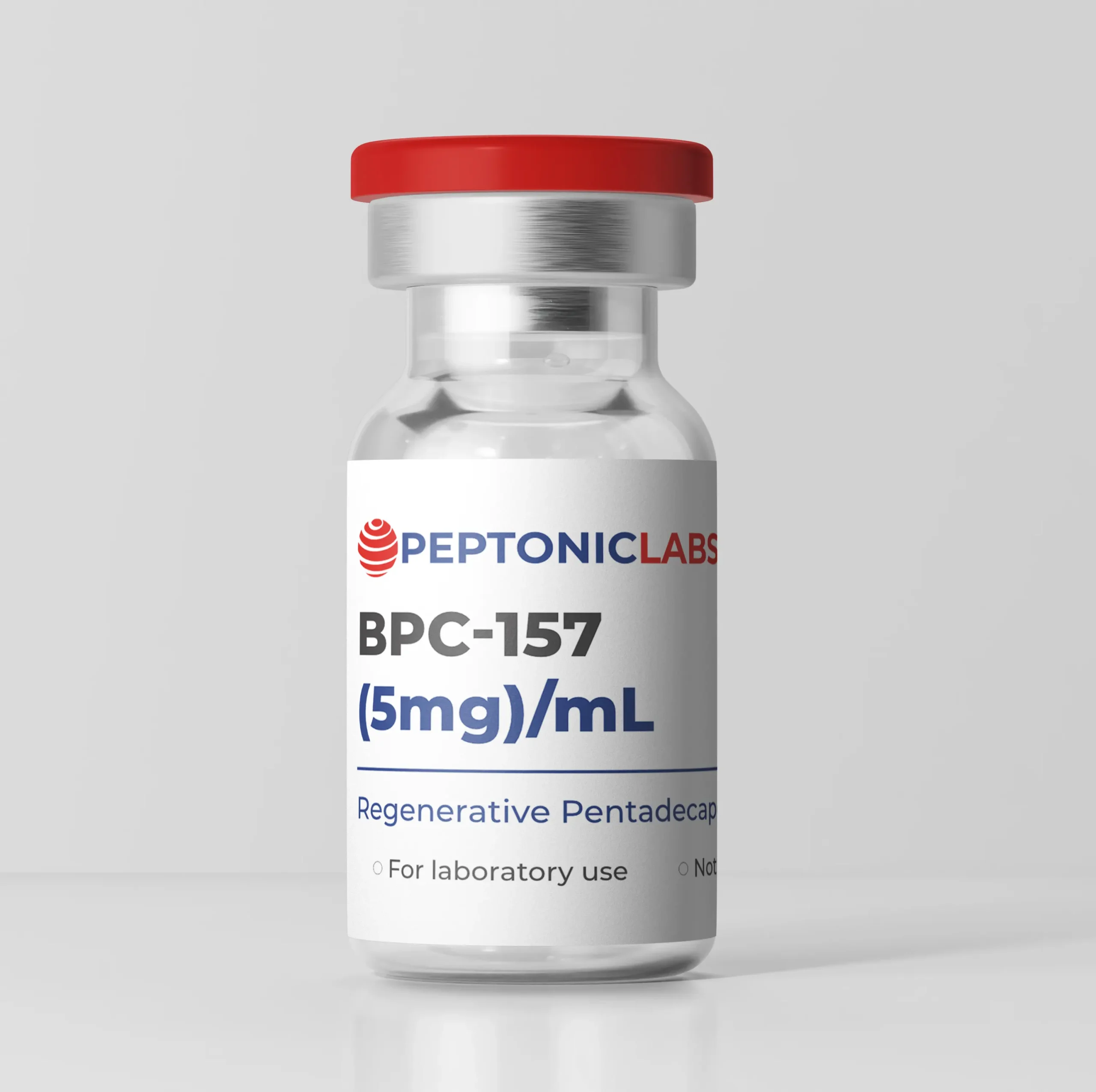
BPC-157 is a synthetic peptide produced from a protective protein sequence. It's been generally reviewed in preclinical settings for their potential role in tissue regeneration study, vascular response studies, and gastrointestinal strength models.
Recent laboratory procurement knowledge implies that peptide-based study materials have cultivated by over 30% internationally previously three years. Through this group, regenerative peptides represent one of many fastest-expanding segments, pushed by curiosity about healing technology and molecular restoration mechanisms.
What Does Current Research Focus On?
Lab investigations commonly discover:
Mobile migration and angiogenesis designs
Soft tissue healing systems
Muscle and ligament restoration simulations
Gastrointestinal mucosal reaction studies
Inflammatory pathway modulation
Mathematical opinions of published experimental knowledge show a steady upsurge in peptide-focused publications year over year. Study databases suggest a constant increase in experimental recommendations attached to regenerative peptide compounds.
Why Is the 10 mg Format Preferred?
The 10 mg vial structure is generally selected in study conditions for a few factors:
Managed dosing precision in experimental methods
Reduced managing complexity
Efficient storage and security
Versatility across various research machines
Labs an average of prioritize purity, sterility, and group consistency. Quality get a grip on procedures such as for example third-party screening and systematic verification enjoy an important position in procurement decisions.
How Is the Peptide Market Performing?
The world wide peptide study market has shown powerful annual growth. Industry studies estimate the peptide study field is increasing at a ingredient annual development charge exceeding 9%. Demand is influenced by:
Growing regenerative research applications
Increased funding for molecular biology studies
Rising academic and private-sector lab investments
Developments in peptide synthesis technologies
Furthermore, changes in peptide stabilization and lyophilization functions have increased ledge living and simplicity, contributing to broader adoption.
What Quality Standards Matter Most?
Qualified laboratories emphasize:
High love degrees (commonly 98%+ analytic love benchmarks)
Translucent set screening certification
Correct lyophilized storage problems
Secure packaging to steadfastly keep up ingredient strength
Quality guarantee reduces variability in research outcomes and guarantees reproducibility across fresh settings.
Is There Growing Scientific Interest?
Information from study indexing tools reveals a steady increase in regenerative peptide discussions in the last decade. Experimental exploration continues in parts such as for example:
Connective muscle biology
Cellular signaling pathways
Microvascular study
Biochemical adaptation studies
While study is constant, the substance remains within laboratory and fresh domains, and their reputation reflects clinical awareness rather than popular application.
Why Do Researchers Choose Trusted Suppliers?
Procurement reliability right affects experimental consistency. Labs prioritize suppliers that provide:
Distinct product certification
Reliable shipping requirements
Transparent quality control techniques
Consistent manufacturing standards
Stable sourcing decreases study disruption and supports long-term study continuity.
What Does the Future Look Like?
The peptide study field is expected to grow further as biotechnology advances. Emerging systems in molecular evaluation and bioengineering may donate to deeper insights in to regenerative pathways.
Industry projections declare that research peptide demand can carry on rising progressively through the following five years. As labs improve experimental models and expand medical exploration, peptides with encouraging architectural pages will likely stay in focus.
Final Insight
The increasing exposure of BPC-157 within clinical neighborhoods shows broader tendencies in regenerative research and peptide innovation. With climbing need, strong statistical development in peptide markets, and constant laboratory study, the 10 mg format stays a functional choice for structured fresh applications. Sustaining top quality sourcing and adherence to analyze criteria may continue steadily to shape its trajectory in skilled lab environments.